

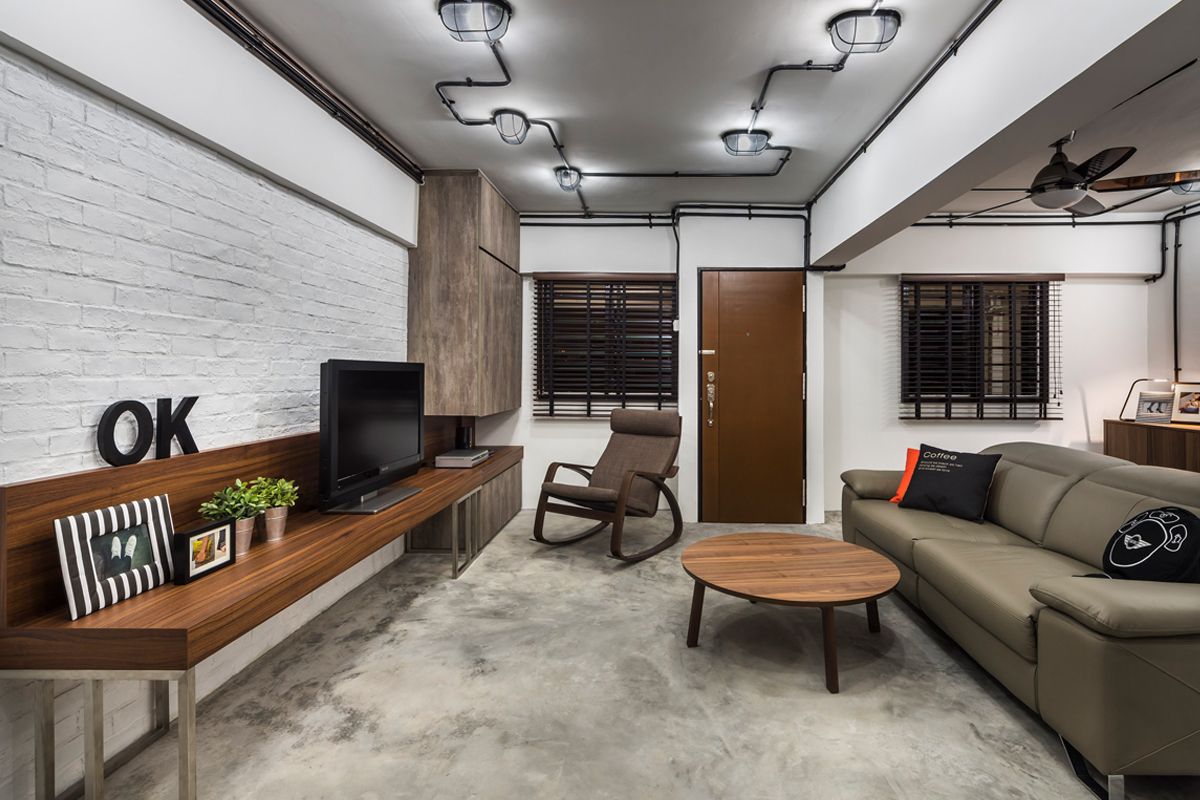
The timeless appeal of home design industrial style. Learn its key elements, from raw materials to open spaces, and how to bring this urban, functional aesthetic into your own home.
Key Takeaways:
- Industrial design is inspired by the raw, functional aesthetics of old factories and warehouses.
- Key materials include exposed brick, concrete, steel, and reclaimed wood.
- The style emphasizes open-plan living, exposed structural elements, and a neutral color palette.
- Industrial lighting, featuring exposed bulbs or metal fixtures, is a signature element.
- The style is popular due to its minimalist, durable, and easily customizable nature.
The modern architectural landscape is constantly shifting, yet some styles possess a timeless resilience. One of the most enduring and captivating is the industrial aesthetic. Originating from the mid-20th century practice of converting old factories, warehouses, and industrial spaces into residential lofts, this style has evolved into a sophisticated, highly sought-after look. But Why is Home Design Industrial so Popular? The answer lies in its perfect blend of raw authenticity, minimalist functionality, and urban character. This article delves into the core tenets of the industrial look, showing how this once utilitarian style has become a chic, liveable design philosophy.
Defining the Home Design Industrial Aesthetic
Home design industrial is a style that deliberately celebrates the unfinished and the utilitarian. It’s an aesthetic rooted in showing off the building’s bones rather than concealing them. This raw, honest approach immediately sets it apart from more traditional or ornate design styles. Imagine walking into a space where the materials themselves tell a story—where history and functionality are not hidden, but highlighted as focal points.
The essence of the style is grounded in a few fundamental characteristics. At its heart, it’s about embracing the materials of the building’s structure. Instead of sleek, polished finishes, industrial design favors texture, roughness, and a sense of permanence. This dedication to authentic, raw materials is a defining hallmark that gives this style its unique edge.
The Raw Materials of Home Design Industrial
The material palette for the home design industrial style is perhaps its most crucial element, relying heavily on durable, no-nonsense finishes that evoke a factory floor or a workshop.
- Exposed Brick and Concrete: Unfinished or minimally treated materials are essential. Exposed brick walls, whether painted white, black, or left in their natural red hue, introduce warmth, texture, and a sense of history. Concrete is often used for floors, providing a solid, neutral base, or even for countertops, adding an uncompromising, modern edge.
- Metal and Steel: Utilitarian metals, often in dark tones like black iron or galvanized steel, are ubiquitous. These are used in exposed structural beams, ductwork, window frames, stair railings, and especially in lighting fixtures and furniture. The metal elements provide the essential ‘industrial’ structure and clean, hard lines that contrast beautifully with softer materials.
- Reclaimed Wood: To counteract the coldness of metal and concrete, industrial design warmly embraces wood, particularly pieces with visible wear and tear. Reclaimed wood flooring, rustic shelving, or heavy timber tabletops add an organic warmth and a sense of repurposing, aligning with the style’s history.
Strategic Lighting in Home Design Industrial
Lighting is not just functional in home design industrial—it is a critical decorative feature.
Industrial lighting fixtures often feature exposed bulbs, particularly vintage Edison bulbs with visible filaments, casting a warm, atmospheric glow. Simple, large metal pendant lamps, factory-style wall sconces, or track lighting on metal conduits are used to illuminate spaces. The fixtures themselves, often made from metal cages, pipes, or domes, become sculptural elements that reinforce the utilitarian theme. Strategically placed, these elements draw the eye up, emphasizing the high ceilings and open spaces typical of the design.
How to Achieve a Cohesive Home Design Industrial Look
Achieving a harmonious home design industrial look requires more than just mixing raw materials; it involves a thoughtful approach to space and color.
The color palette is typically cool and neutral, forming a subdued backdrop that lets the texture of the materials stand out. Shades of gray, black, white, and brown dominate. Any pops of color are usually introduced sparingly through artwork, textiles (like a worn leather sofa or a simple woven rug), or vintage accessories. Furniture is chosen for its simplicity and function, featuring clean lines, minimal ornamentation, and durable materials like metal, wood, and distressed leather. The overall feeling should be uncluttered and functional, echoing the less-is-more ethos of the industrial era.
The Lasting Appeal of Home Design Industrial
Why is Home Design Industrial so Popular? The enduring appeal of this style is multifaceted. It’s a reaction against overly fussy, traditional design, offering a look that is honest and authentic. Its use of exposed, durable materials means it’s inherently low-maintenance and robust. Furthermore, the minimalist and open-plan nature of the style provides a blank canvas, making it incredibly versatile. It pairs effortlessly with other styles—a touch of rustic farmhouse warmth, the clean lines of mid-century modern, or the artistic flair of bohemian decor. This adaptability ensures that the home design industrial style remains a defining and continually relevant choice for contemporary living.
 lexutor