

Achieve safe High-Altitude Trekking in Lesser-Known Ranges. Learn critical preparation, safety, and gear essentials from experienced trekkers.
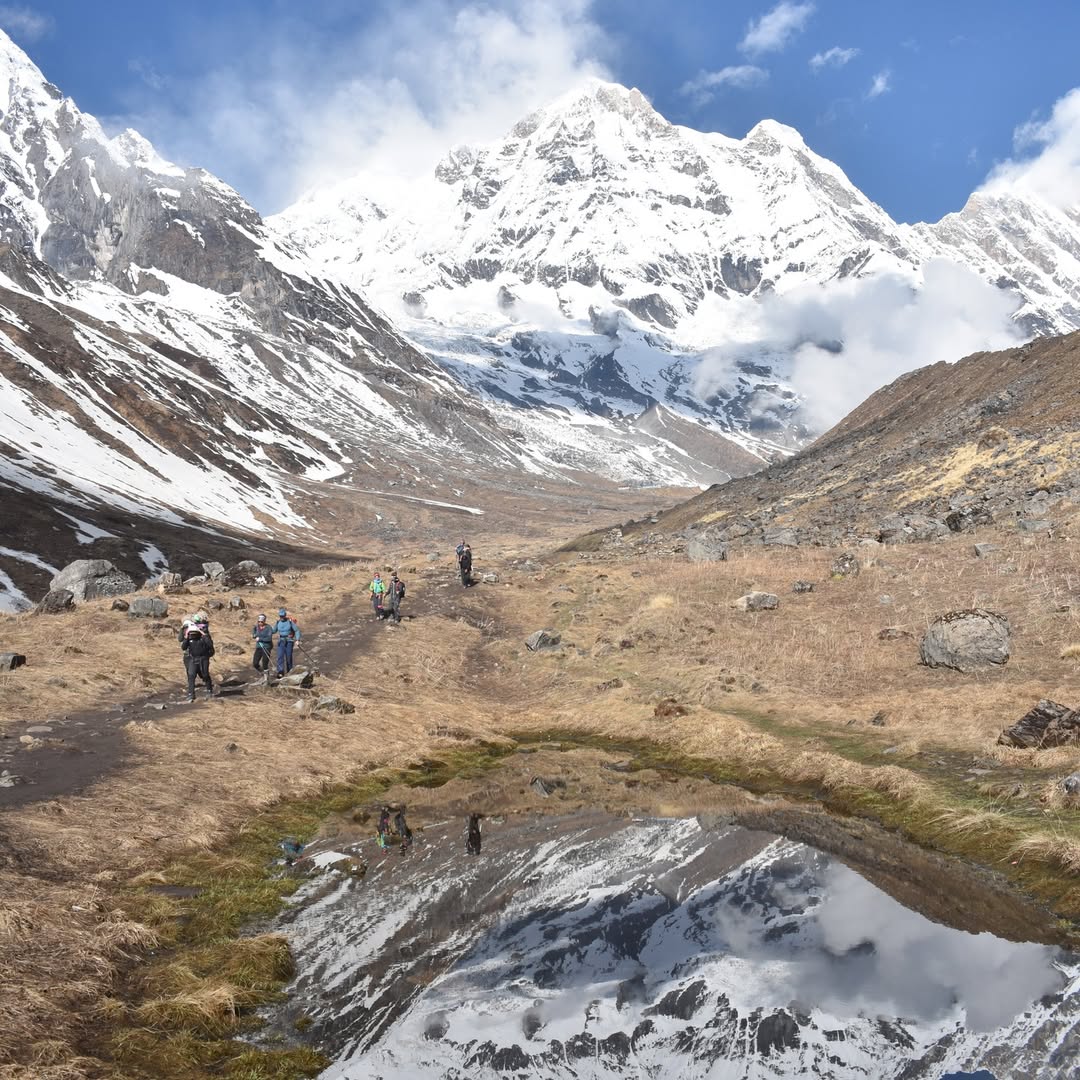
Venturing into less-traveled mountain regions offers profound solitude and unmatched natural beauty. My years navigating remote peaks have taught me that success in High-Altitude Trekking in Lesser-Known Ranges hinges on meticulous preparation and a deep respect for the environment. These are places where external support is minimal, making self-reliance paramount. The rewards—uninterrupted views, unique wildlife encounters, and the satisfaction of true exploration—far outweigh the challenges when approached correctly.
Key Takeaways
- Thorough pre-trip planning is non-negotiable for safety and enjoyment in remote high-altitude areas.
- Acclimatization is crucial to prevent serious altitude sickness; ascend slowly and listen to your body.
- Essential gear includes appropriate clothing, robust navigation tools, and a comprehensive first-aid kit.
- Emergency communication devices are vital, as cell service is often absent in lesser-known ranges.
- Practicing Leave No Trace principles protects fragile alpine ecosystems for future generations.
- Physical fitness must be excellent, but mental resilience is equally important for enduring challenges.
- Understanding weather patterns and recognizing avalanche risks are critical skills.
- Seeking local knowledge or hiring experienced guides can provide invaluable insights and safety.
- Always inform someone of your itinerary and expected return, even for short trips.
- Pack sufficient food, water purification, and emergency shelters for unexpected delays.
Preparing for High-Altitude Trekking in Lesser-Known Ranges
Effective preparation is the bedrock of any successful high-altitude journey. For High-Altitude Trekking in Lesser-Known Ranges, this means going beyond standard checklists. I always start with exhaustive research into the specific region. Topographic maps, satellite imagery, and any available local reports provide critical information about terrain, water sources, and potential hazards. Understanding the microclimates and typical weather patterns for your chosen season is essential. Mountain weather can shift rapidly, from sunshine to blizzards in hours.
Physical conditioning must be rigorous and specific. I train with weighted packs, focus on endurance, and include activities that simulate climbing and descending steep trails. This physical readiness helps prevent injuries and conserves energy for unexpected difficulties. Mental preparation is equally important. Visualizing potential scenarios, like bad weather or difficult crossings, helps build the resilience needed when challenges arise far from civilization. For areas within the US, like sections of the Rockies or remote Alaskan ranges, specific permits or park regulations often apply. Always verify these well in advance to avoid delays or fines.
Essential Safety Protocols in Alpine Environments
Safety in alpine settings demands constant vigilance and adherence to established protocols. Altitude sickness, including Acute Mountain Sickness (AMS), High Altitude Cerebral Edema (HACE), and High Altitude Pulmonary Edema (HAPE), remains a primary concern. My approach is always conservative: ascend slowly, follow a “climb high, sleep low” strategy where feasible, and hydrate consistently. Recognizing the early symptoms of AMS is critical for prompt descent, which is the only definitive treatment. Never ignore persistent headaches or nausea.
Beyond altitude, terrain hazards like rockfall, crevasses, and swift-moving rivers require careful assessment. I rely on solid navigation skills, using both GPS devices and traditional map and compass techniques. Having multiple navigation tools with spare power is non-negotiable. Furthermore, emergency communication is vital. A satellite messenger or personal locator beacon (PLB) provides a lifeline when cell service is nonexistent, which is common in remote ranges. Understanding basic wilderness first aid and carrying a well-stocked medical kit empowers you to manage minor injuries or stabilize more serious ones until help can arrive.
Gear and Logistics for High-Altitude Trekking in Lesser-Known Ranges
The right gear can be the difference between a memorable experience and a miserable one. When I plan for High-Altitude Trekking in Lesser-Known Ranges, every item in my pack serves a purpose. Layered clothing is fundamental, allowing adjustment to fluctuating temperatures from freezing nights to warm afternoons. My system includes a moisture-wicking base layer, insulating mid-layers, and waterproof, windproof outer shells. Footwear must be sturdy, waterproof, and well broken-in to prevent blisters over rough terrain.
Navigation tools, as mentioned, include a reliable GPS unit, a physical map, and a compass. Headlamps with extra batteries are crucial for early starts or late finishes. Water purification options, such as a filter or purification tablets, are essential for maintaining hydration from potentially unreliable sources. Food choices focus on high-calorie, lightweight, and nutrient-dense options. For cooking, a robust stove system capable of performing in cold, windy conditions is necessary. Emergency shelter, even a lightweight tarp or bivvy sack, can provide critical protection in unexpected situations. The logistics of resupply points are often non-existent, so careful planning for duration of supplies is paramount.
Responsible Engagement with High-Altitude Trekking in Lesser-Known Ranges
Respecting the environment and local cultures is integral to High-Altitude Trekking in Lesser-Known Ranges. Adhering to Leave No Trace principles is fundamental. This means packing out everything you pack in, including all waste. Proper disposal of human waste is critical to prevent contamination of water sources and maintain pristine conditions. Camp in designated areas or on durable surfaces, and minimize your impact by keeping group sizes small and trails clean. Do not cut switchbacks.
When passing through communities or interacting with local people, demonstrating respect for their traditions and customs is vital. Learning a few local phrases can significantly enhance interactions. Supporting local economies through ethical hiring of porters or guides, or purchasing supplies locally, contributes positively to the regions visited. These remote environments are often fragile; our actions have a direct and lasting impact. My philosophy is to leave the wilderness exactly as I found it, or preferably, a little cleaner, ensuring its beauty for future generations of trekkers.
 Laura
Laura