

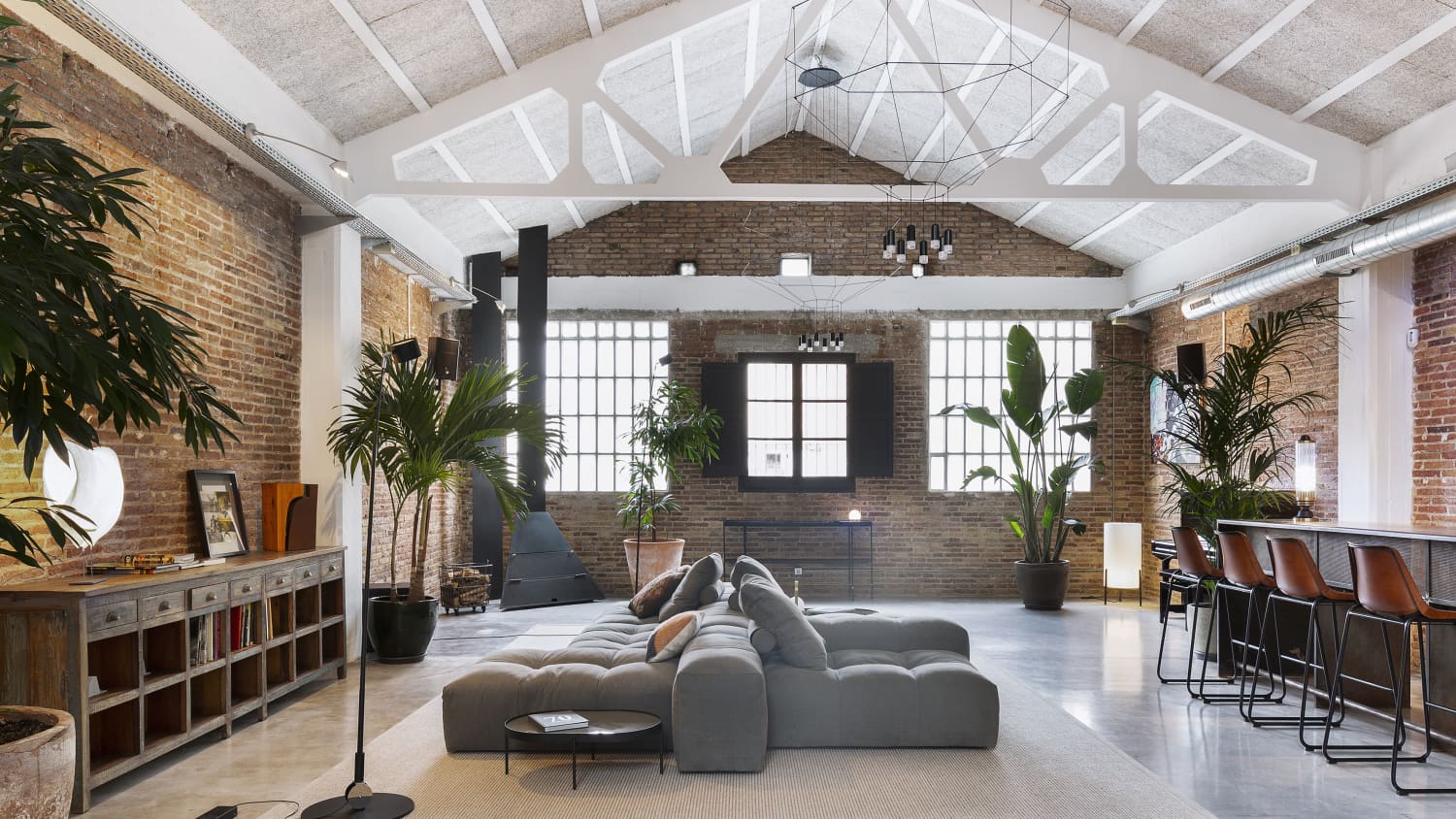
The secrets to mastering home design industrial style. Learn about raw materials, exposed elements, and the neutral palette that defines this popular aesthetic.
Key Takeaways
- Home design industrial style draws inspiration from old factories and warehouses, focusing on utility and raw, unfinished aesthetics.
- Key materials are concrete, exposed brick, reclaimed wood, and metal (iron, steel).
- The color palette is predominantly neutral—grays, blacks, whites, and browns—with minimal pops of accent color.
- The look is characterized by exposed structural elements, open spaces, and minimalist, functional furniture.
Embracing the Raw Aesthetic: A Deep Dive into Home Design Industrial
Why has home design industrial become so popular, and What defines this enduring style? The surge in popularity for the industrial aesthetic stems from a desire for authenticity, honesty in materials, and a sophisticated, non-fussy look. It’s a design philosophy that champions the beauty of the unfinished, the utilitarian, and the historically rich character of old-world manufacturing spaces. Born from the conversion of derelict warehouses and factories into trendy urban lofts during the mid-20th century, the industrial style deliberately showcases a building’s bones—elements others try to conceal. This look is defined by raw textures, a muted palette, and a focus on durability and function. It’s an effortless blend of rustic ruggedness and modern, minimalist lines, making it a powerful and timeless choice for contemporary living spaces.
Materiality and Texture in Home Design Industrial
The foundation of any successful home design industrial space lies in its material selection. This style is an ode to the elements of construction, where the structure is the decoration. Instead of polished, perfect surfaces, the industrial aesthetic celebrates materials in their rawest form.
- Exposed Brick: A cornerstone of the industrial look, exposed brick walls instantly add texture, warmth, and a sense of history. Whether authentic or achieved with veneers, the rugged, earthy texture of brick is a vital contrast to the cool, sleekness of metal.
- Concrete: Used for flooring, countertops, and even walls, concrete embodies the style’s utilitarian origins. Polished concrete floors offer a seamless, durable, and sophisticated base, while raw concrete finishes on walls or ceilings enhance the factory-like atmosphere.
- Metal: Iron and steel are indispensable. They appear in structural beams, exposed ductwork, window frames, and furniture accents. Look for blackened steel, brushed iron, or even distressed brass and copper finishes to add authentic, hard-edged detail.
- Reclaimed Wood: To prevent the space from feeling cold, wood is introduced for warmth. Reclaimed or weathered wood floors, shelving, and countertops provide a rustic texture that balances the harder materials. The imperfections of distressed wood—knots, grain, and wear—add character and depth.
The Signature Palette of Home Design Industrial
The color scheme for a true home design industrial project is decidedly neutral and grounded. The palette is inspired directly by the raw materials themselves, creating a backdrop that is sophisticated and a little moody.
The dominant colors are various shades of gray, from pale concrete tones to deep charcoal, which anchor the space. Black is used for strong, graphic lines in window frames, lighting fixtures, and metal furniture, adding definition and a sharp modern edge. Whites, often in off-white or warm tones, serve to reflect light and provide a necessary contrast, particularly on expansive, open walls. Browns from the exposed wood and leather accents introduce a crucial element of warmth. While the base is neutral, subtle, deliberate pops of color are often introduced sparingly through artwork, a leather armchair in a rich cognac, or deep green plants, preventing the space from becoming monochromatic and sterile.
Functional Furnishings and Lighting in Home Design Industrial
In home design industrial, furniture and lighting are not merely decorative—they are functional pieces that contribute to the overall utilitarian theme. The best pieces often appear salvaged or repurposed, reflecting the industrial principle of practicality.
Furniture should be simple, sturdy, and have clean, straight lines. Think heavy wooden dining tables with metal bases, low-slung leather sofas, and open shelving units made from pipes and wood planks. Avoid anything overly ornate or plush. Storage is often visible, using items like metal lockers, wire baskets, or open utility cabinets that emphasize the structure rather than concealing it.
Lighting is perhaps the most iconic element of the industrial style. It often features exposed filament Edison bulbs, large pendant lights with metal or wire cages, and functional track lighting. These fixtures are frequently hung low or boast a mechanical, articulated design, reinforcing the workshop aesthetic. They act as bold focal points while providing warm, directional light that softens the rugged materials.
Creating an Open and Honest Home Design Industrial Space
A key characteristic of the home design industrial aesthetic is the emphasis on openness and the celebration of the building’s structure.
- Open Floor Plan: The style thrives in large, open spaces reminiscent of factory floors or lofts. This encourages flow and functionality. If working with a traditional layout, the feeling of openness can be maximized by minimizing clutter and using metal-framed glass partitions instead of solid walls to divide zones while maintaining light and visual connection.
- Exposed Structure: Unlike most traditional designs that hide utilities, industrial design turns them into features. Exposed steel beams, ceiling ductwork, and even visible piping are not flaws to be covered but rather honest, defining elements that add character and a sense of “as-built” integrity.
-
Large Windows: Factory and warehouse buildings were built with large windows to maximize natural light, a tradition that carries into industrial homes. Unadorned, oversized windows are essential for flooding the space with light, which is necessary to balance the dark, moody elements of the style. The metal or black window frames themselves often serve as graphic, industrial details.
 lexutor